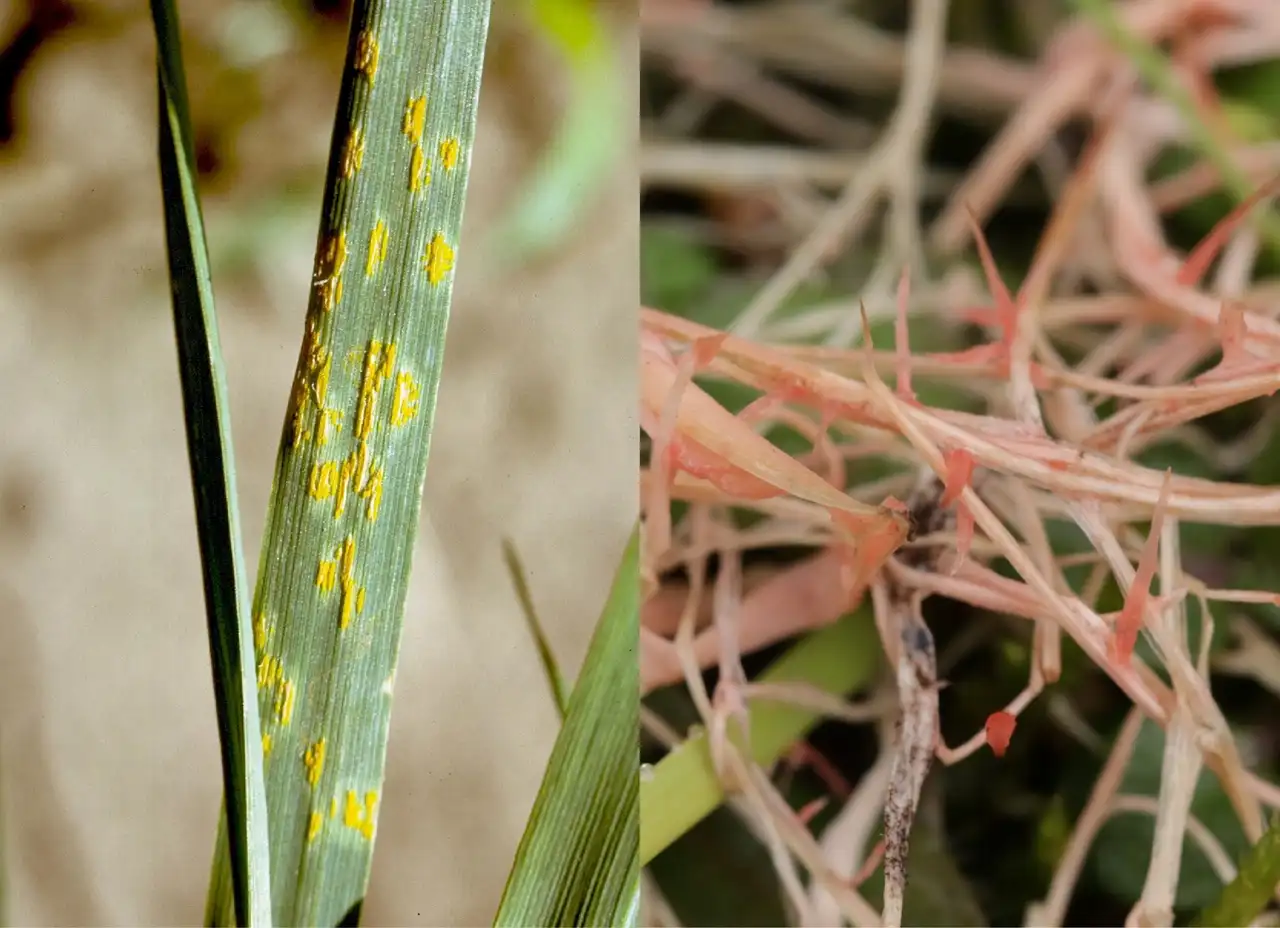
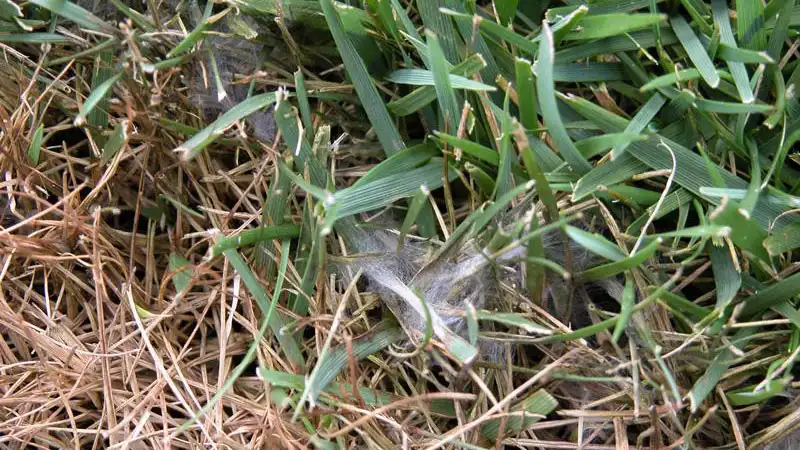
You step outside, coffee in hand, ready to admire your lawn – only to find mysterious patches, weird discoloration, and grass that looks like it’s been through a battle. What gives?!
Lawn diseases are sneaky. And it’s not always easy to tell what’s causing the damage.
While there are several different lawn diseases out there, today we’re focusing on three of the most common culprits in Indiana: Red Thread, Dollar Spot, and Brown Patch. Let’s explore what to look for and how to stop them so you can save time, money, and frustration.
The Challenges of Lawn Diseases in Indiana
Lawn diseases are tricky little troublemakers. One day, your grass looks fine, and the next, it’s rocking weird brown patches, thinning out in spots, or turning a shade of pink you definitely didn’t sign up for. But here’s the thing: not every funky-looking lawn is dealing with a disease. Drought stress, compacted soil, nutrient deficiencies, and even insects can all cause similar damage, which makes diagnosing the problem a bit of a guessing game for homeowners.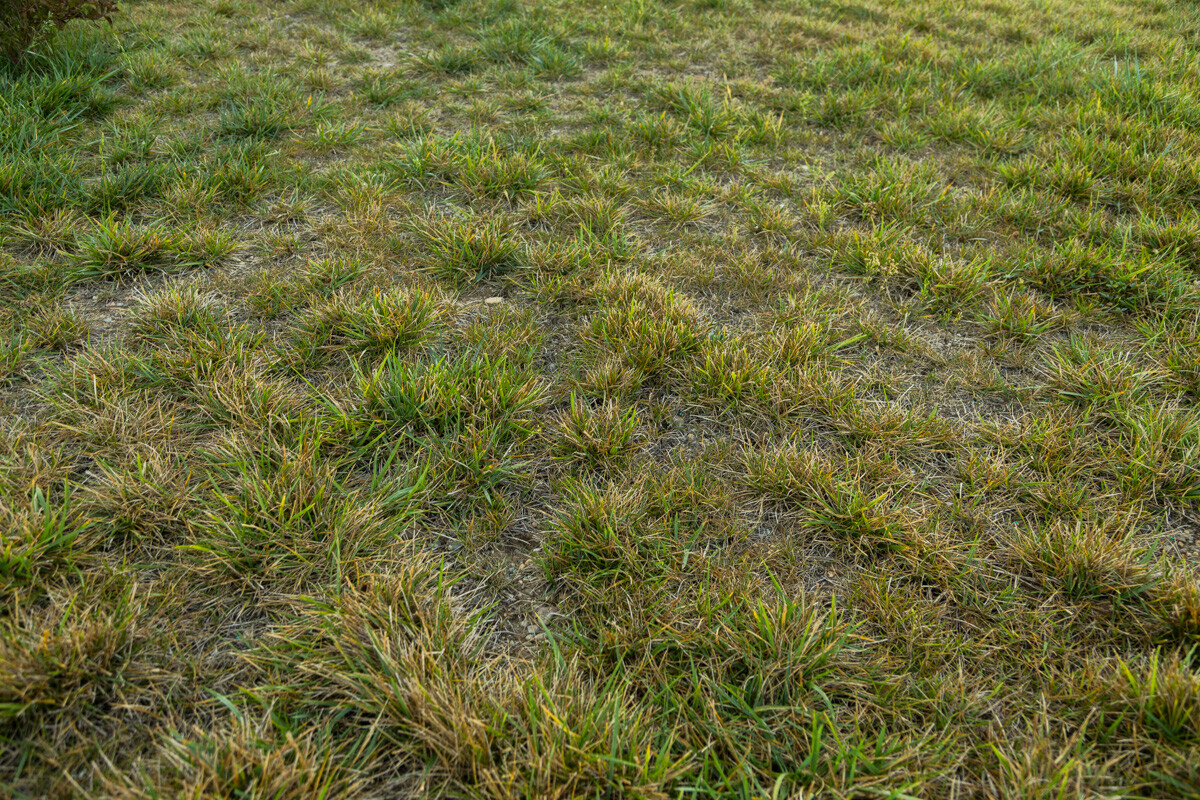 To make things even more frustrating, all types of fungus don’t show up at the same time. Some thrive in cooler temps, while others love the heat. And just because a disease was active a few weeks ago doesn’t mean it’s still spreading – sometimes, you’re just seeing the aftermath.
Even pros will tell you that turf disease can be tricky. Some, like Dollar Spot and Brown Patch, have pretty distinct looks, but to the average person, the appearance of most lawn issues tend to blend together. But don’t worry, we’ll break down the three most common lawn diseases in Indiana and, more importantly, how to treat them.

The 3 Most Common Lawn Diseases in Indiana
Red Thread
If your grass suddenly has a pinkish tint, don’t panic – it hasn’t decided to embrace a bold new look. You’re probably dealing with Red Thread, one of the most common lawn diseases in Indiana. It usually pops up in spring and fall (think April-June and again in August-October) and tends to target taller mown grass that’s a little on the malnourished side.
What Does Red Thread Look Like?
This disease isn’t shy – you can usually spot it without a magnifying glass. Look for:
- Patches of thinning or discolored grass with a pinkish hue
- Fine, thread-like strands (hence the name) extending from the grass blades
- A dry, brittle texture on affected areas.
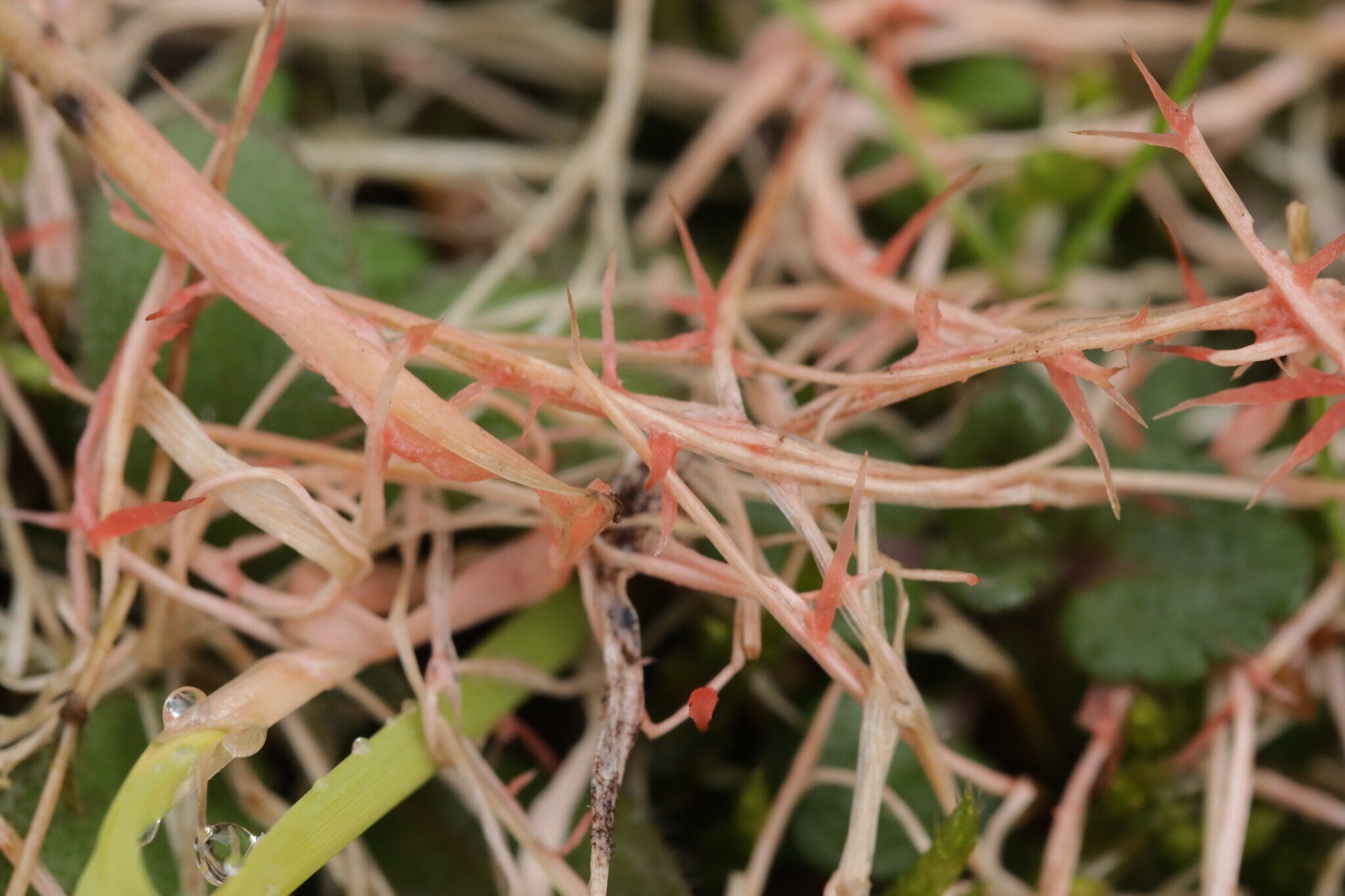 The pink color comes from infected leaf blades, and while it might be kind of pretty, it’s not good for your lawn.
How to Get Rid of Red Thread
The good news? Red Thread isn’t the end of the world, and your grass can recover with a little TLC. Here’s how to handle it:
Feed Your Lawn
Red Thread thrives in nutrient-poor turf, so making sure your lawn is well-fertilized (especially with nitrogen) is the best long-term defense. If your lawn got hit this year, improving nutrition next season will help keep the disease from coming back.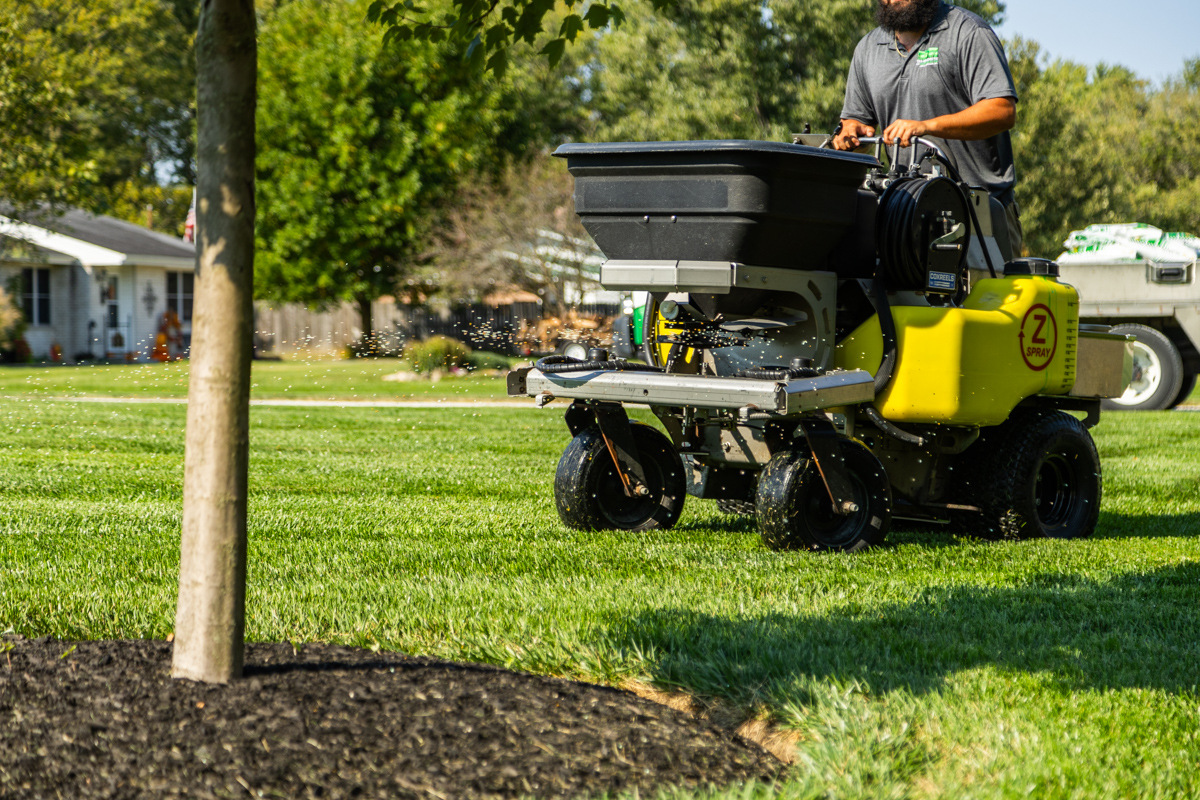
Dial Back Watering
This disease loves moisture, so avoid overwatering and make sure your lawn gets a chance to dry between watering sessions. Watering in the morning instead of the evening can also help.
Mow Smart
Keep your mower blades sharp and avoid mowing when grass is wet, as this can spread the disease.
Fungicides
In extreme cases, fungicide treatments can help control Red Thread, but they’re usually not necessary if you focus on improving lawn health.
Dollar Spot
If you’re seeing round, tan patches in your lawn, you’re not dealing with ghosts or UFO crop circles – it’s probably Dollar Spot. This grass disease in Indiana is active from April through October and thrives in warm, humid weather, especially if your lawn is low on nitrogen. It can also sneak back in during cooler spring and fall months.
What Does Dollar Spot Look Like?
Here’s what to watch for:
- Small, circular tan patches about the size of a silver dollar (hence the name)
- Bleached, whitish grass blades with hourglass-shaped lesions that have reddish-brown margins
- Patches that slowly merge into larger areas of damage if left untreated.
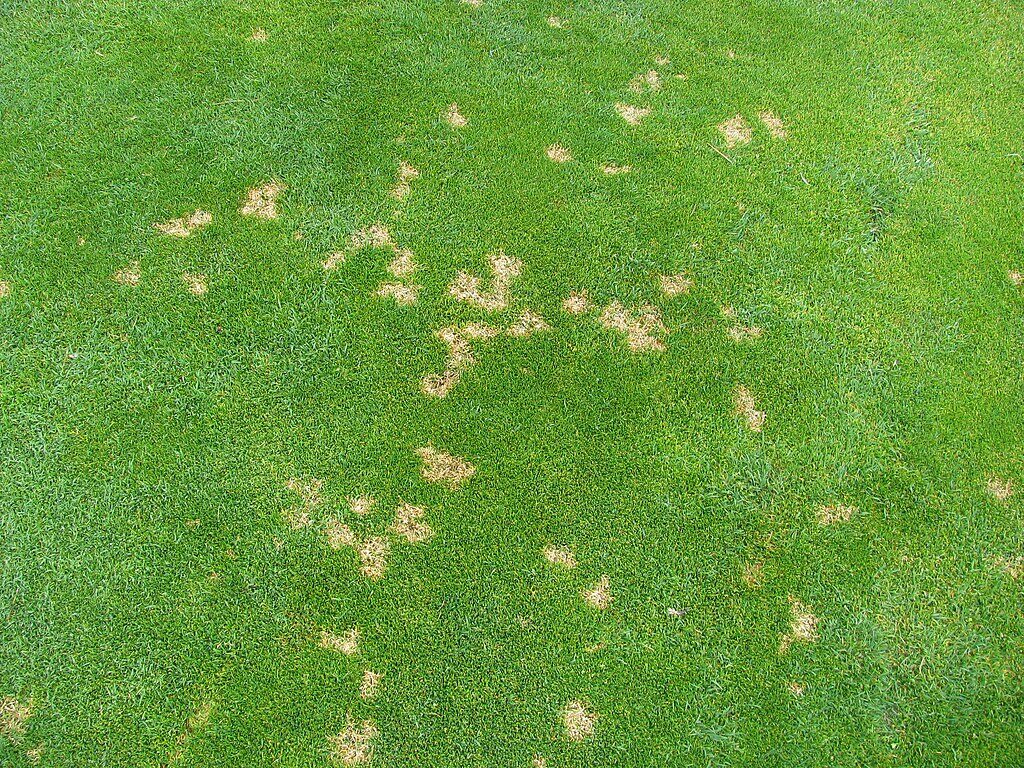 Dollar spot can be sneaky – it might start small, but if conditions are right, it can spread and make your lawn look like a patchy mess.
How to Get Rid of Dollar Spot
The best defense is a good offense, and in this case, that means keeping your lawn well-fed and properly maintained. Here’s what helps:
Feed Your Lawn
This disease loves nitrogen-deficient turf, so regular fertilization is key. Keeping your lawn well-nourished makes it hard for Dollar Spot to take hold.
Water Wisely
Avoid watering in the early evening when moisture lingers overnight. Instead, water in the morning so your lawn has time to dry during the day.
Keep Mowing in Check
Mow at the right height for your grass type and keep your mower blades sharp to avoid unnecessary stress on your lawn.
Fungicides
In severe cases, fungicide treatments can help, but they merely stop the spread, not fix the damage. That will require a focus on proper lawn nutrition and maintenance.
Brown Patch
If your lawn is suddenly sporting big, ugly brown patches, don’t panic – it’s not giving up on life just yet. You might be dealing with Brown Patch, a fungal disease that affects all cool-season grasses. This one loves hot, humid weather and tends to show up when nitrogen levels are a little too high.
What Does Brown Patch Look Like?
Here’s what you’ll notice:
- Well-defined, circular brown patches ranging from 4-12 inches across
- Grass blades in the patch turn brown after infection
- A grayish-white “smoke ring” around the edge of the patch, most noticeable in the morning
- It only affects the grass blade – crowns and roots are safe
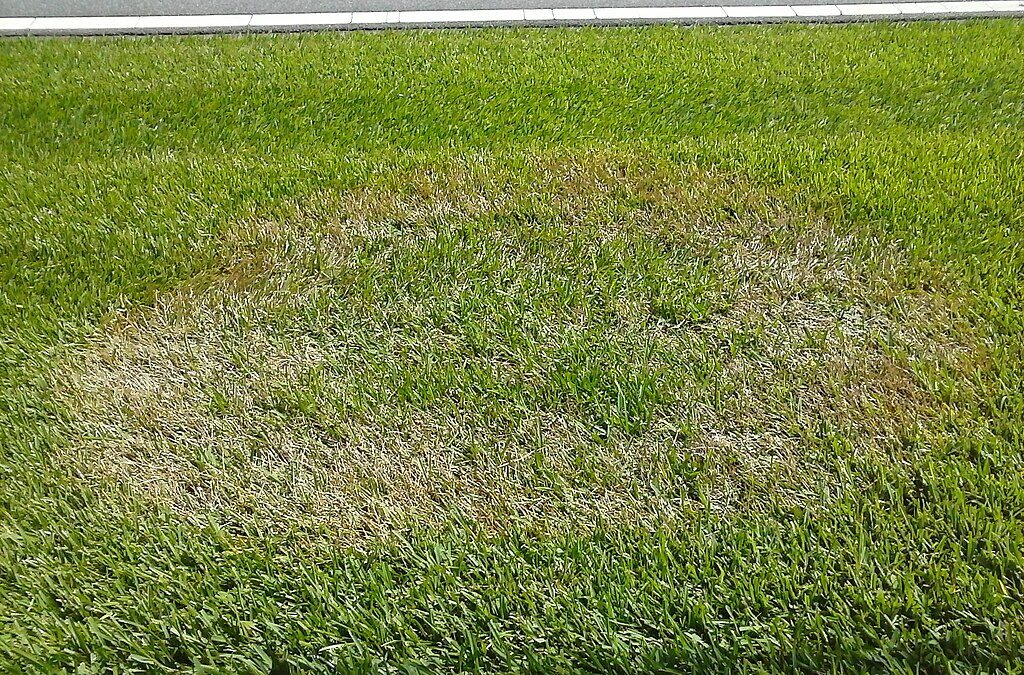 This disease spreads fast in hot, muggy conditions, especially if your lawn is overloaded with nitrogen from fertilization.
How to Get Rid of Brown Patch
Brown patches might look dramatic, but you can fight back with some simple lawn care tweaks. Try these Indiana lawn disease treatments:
Ease Up on the Nitrogen
High nitrogen levels during summer can make Brown Patch outbreaks even worse. Save heavy fertilization for spring and fall.
Improve Air Circulation
If your lawn is compacted, aeration can help reduce moisture buildup and improve airflow, making conditions less friendly for the fungus.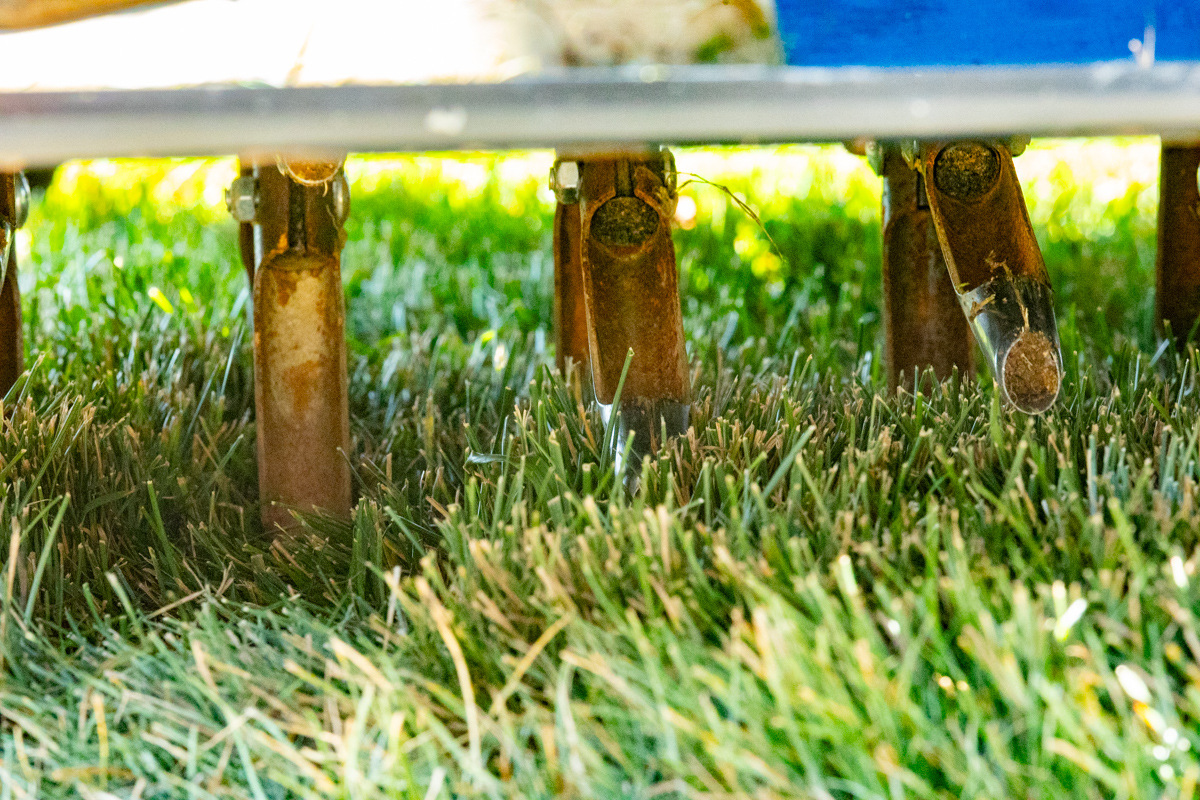
Smart Watering
Water in the early morning so your lawn has time to dry out during the day.
Fungicides
There are plenty of effective fungicides that can help keep Brown Patch under control.
Partner with Shades of Green for Lawn Care in Lafayette, IN Along With North Indianapolis Suburbs
At some point, you’ve got to ask yourself – is this a disease, a pest problem, or just my lawn being dramatic? Identifying lawn problems in Indiana isn’t always easy, and guessing wrong can cost you a lot of time, money, and frustration.
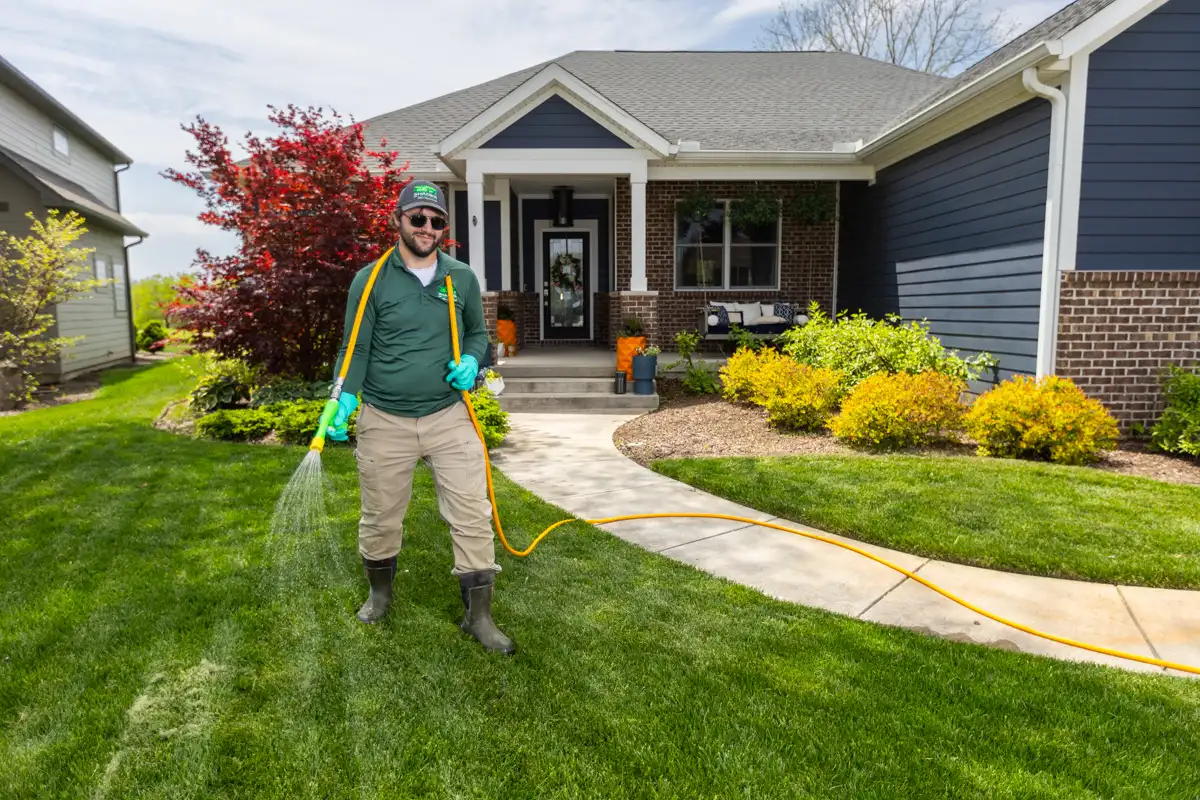
If you’re following a schedule and watering and mowing like a pro, but those patches are still spreading, it’s time to call in the experts. That’s where Shades of Green comes in! We know lawn disease care in Indiana inside and out, and we take the guesswork out of treating lawn diseases.
Think your lawn might need some professional TLC? We offer lawn care in Lafayette and Nearby Areas. We also provide services in Carmel, Noblesville, and Westfield. Get started by filling out our contact form.
Images Sources: red thread, dollar spot, brown patch