Signs of Japanese Beetle Infestations

~1 min
You take a quick stroll across your lawn, barefoot with coffee in hand to check on your favorite flowers - when something below your feet feels off. The ground is softer than it should be. Almost spongy. And, when you look down, you notice a few patches that don’t look quite right.
This is usually your first clue that something is going on beneath the surface. If grubs are chomping away at your turf, the signs show up as wilting or discolored grass that turns into uneven brown patches. The biggest giveaways? Tons of wildlife foraging at your turf and a lawn that pulls up like carpet.
Let’s walk through exactly what grubs are, when they are active here in Indiana, how to spot the warning signs early, and how to get rid of them, so you know what to do about grubs if they invade your backyard.
Jump to:
What are Lawn Grubs?
What Does Grub Damage Look Like?
How to Prevent Grub Lawn Damage
Partnering with Shades of Green for Grub Control in Indiana
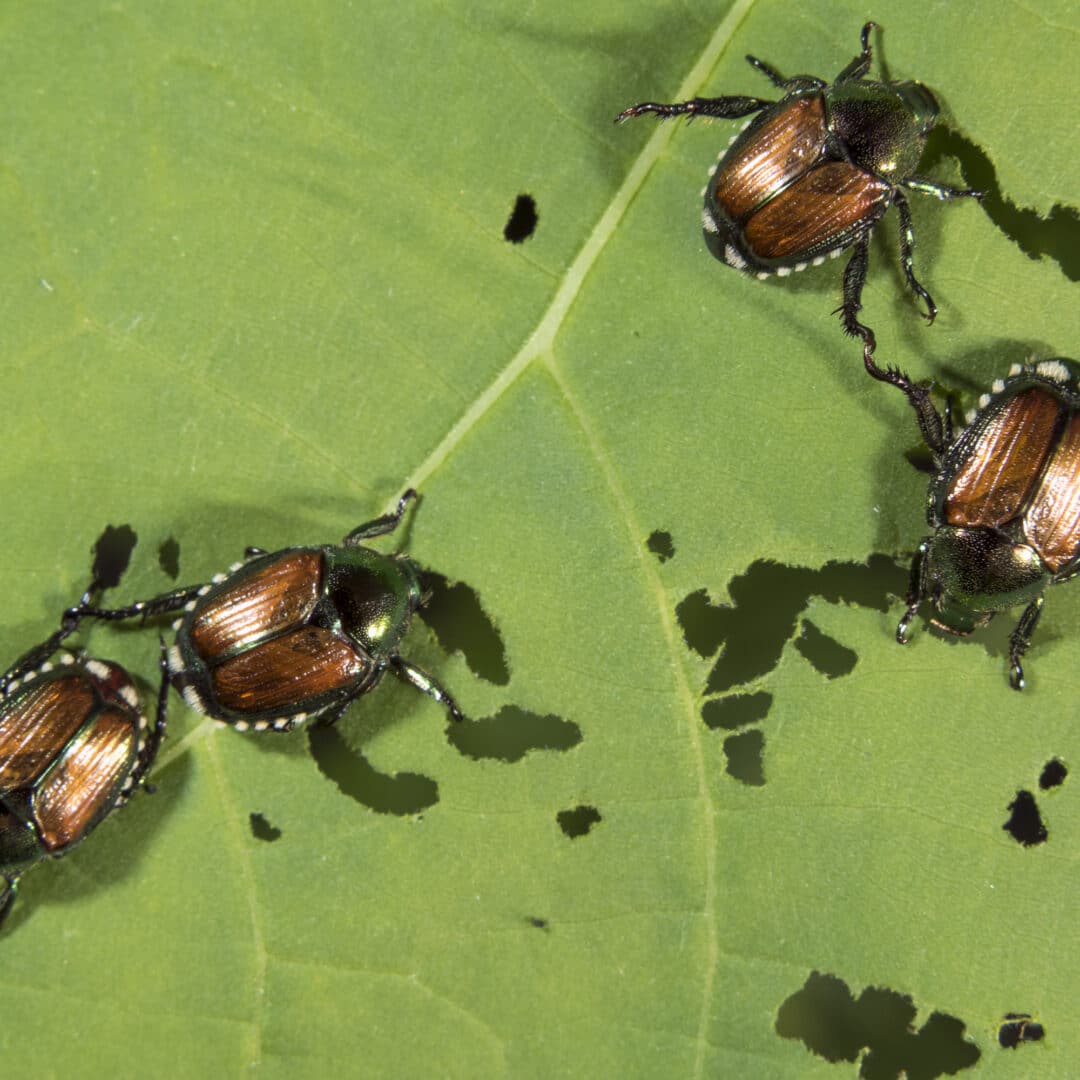
Grubs might sound harmless at first, but they are actually one of the most common culprits behind struggling, thinning grass. Simply put, grubs are underground pests that feed on the root system of your lawn. These bugs are at the immature, or what we call larval, stage of several types of beetles, such as Japanese Beetles, Masked Chafers, or May or June Beetles.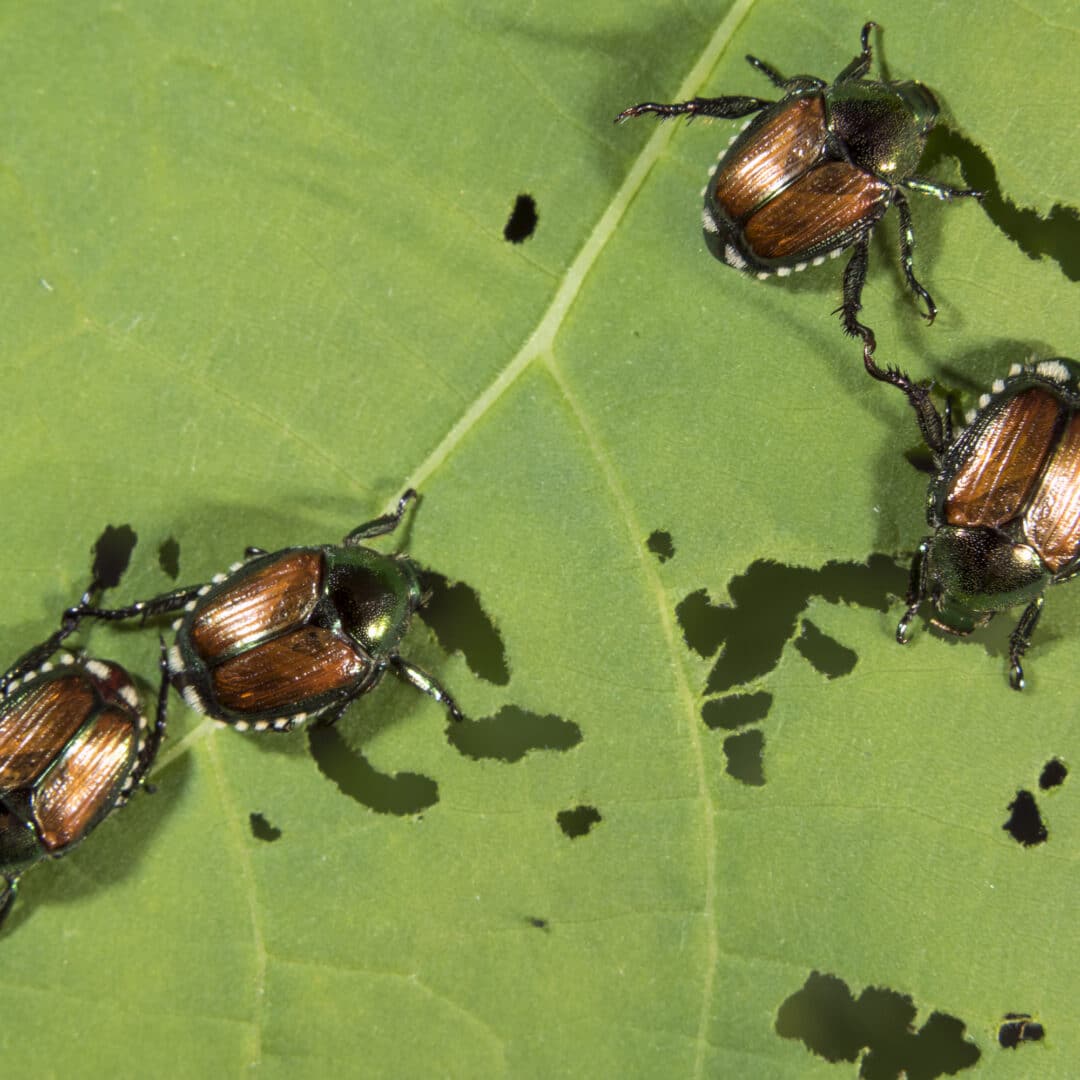
While the adult beetles get a lot of attention, it is what is happening below the surface that causes real damage to your lawn. As grubs feed, they chew through the roots that your grass depends on for water and nutrients.
The tricky part? They burrow below the freeze line, overwinter, and then return to the root zone to resume feeding. Depending on the type of grub, they may feed for just one season or continue damaging your lawn over multiple years.
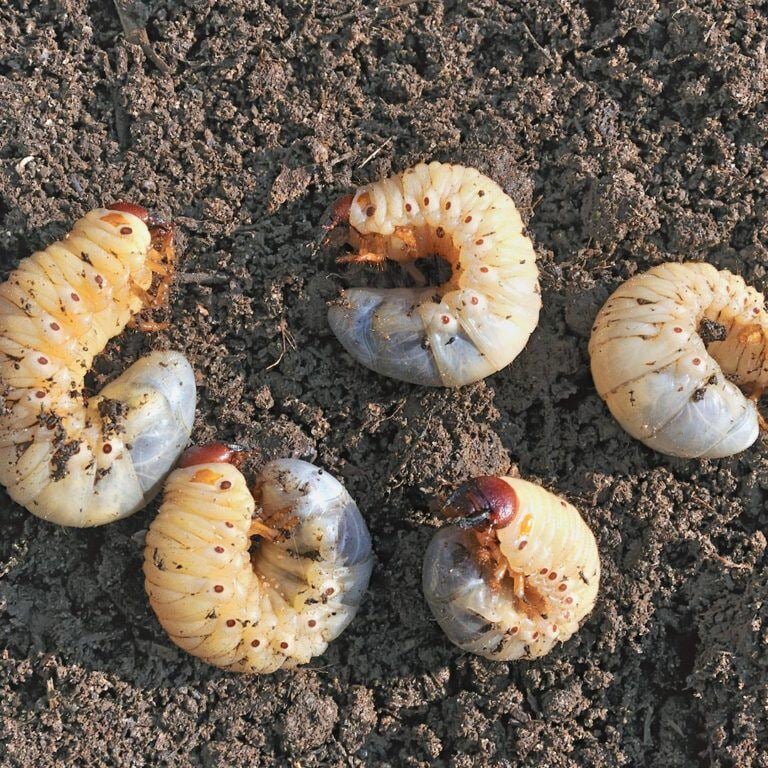
Lawn grubs are typically white, C-shaped larvae with soft, plump bodies. They have noticeable wrinkles or folds along their midsection, and their abdomen is often a bit larger than the rest of their body. As they feed in the soil, that back portion can appear slightly darker from the soil consumption.
One of their most distinct features is their head. They have a hardened, chestnut-brown head capsule along with six tiny legs near the front of their body. Not exactly something you’d call cute, but very recognizable once you know what to look for.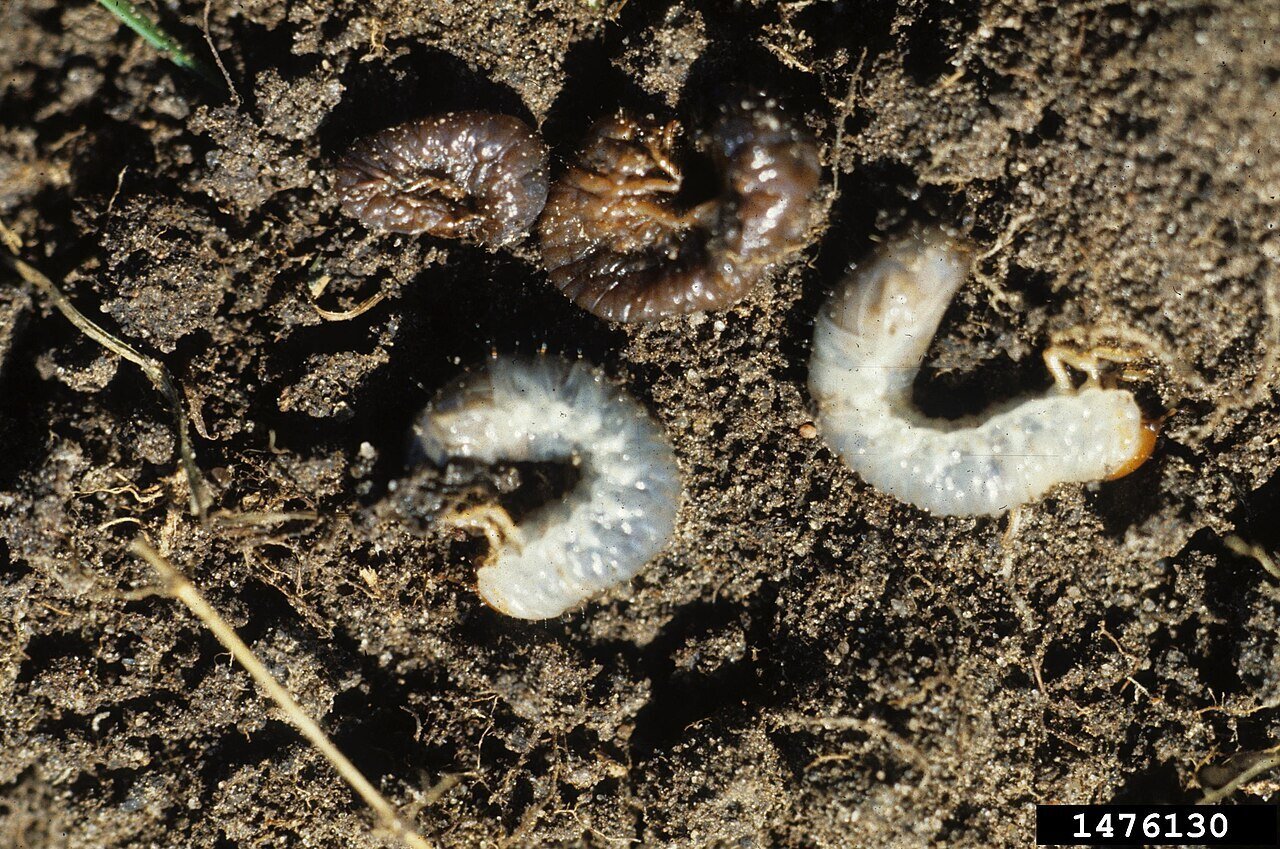
Their size can vary quite a bit depending on their age and species, ranging anywhere from ¼ inch to as large as 1 ½ inch long.
Grubs don’t exactly ‘come out’ like other lawn pests. They spend most of their time underground. In Indiana, activity typically ramps up enough in September to where you can start to notice damage above ground.
The natural lifecycles of these various beetles are what causes grubs to appear in your lawn each year. Grubs love a moist lawn that has a good amount of thatch build-up for them to munch through, so that is the ideal place for the larvae to emerge. The adult beetles like to hide and lay their eggs in the thatch layer so there is lots to eat once the eggs hatch.
Grub damage may take a little bit of time to become noticeable, but once you know what to look for, it is hard to miss. It usually starts with grass that looks a bit off. You might notice wilting or discoloration, even when watering properly. Over time, that stressed grass can’t hang on, and it begins to thin out and collapse, leaving behind irregular brown or dead patches across your lawn.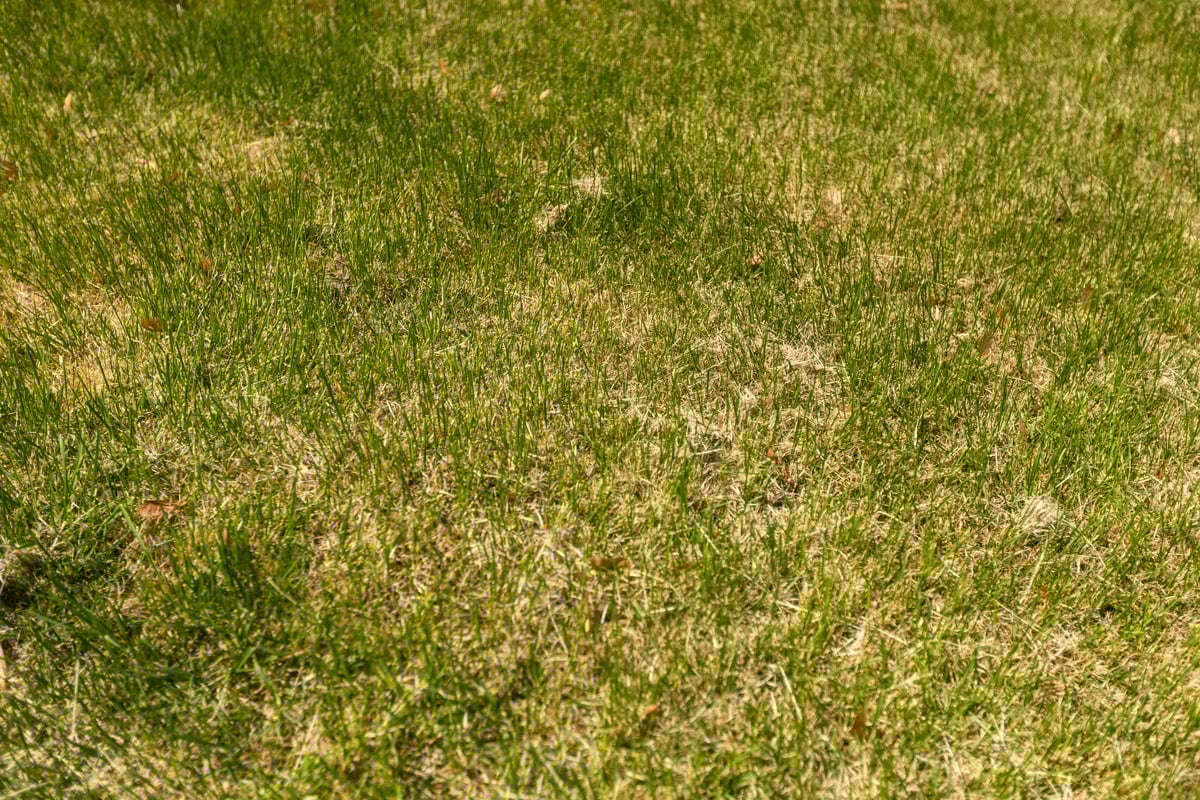
Grub damage is most commonly noticed in late summer to fall, when their feeding is at its peak. One of the biggest telltale signs is that your grass feels loose or spongy when walking on it. If you grab a section of turf and it pulls up easily, like you are rolling back a piece of carpet, there is a good chance you will spot grubs underneath. Since they have been feeding on the roots, the grass has nothing anchoring it into the soil.
Yes, birds absolutely eat grubs, and they can actually help signal there is a problem with your turf. If you are seeing increased activity from animals like raccoons or skunks digging in your yard or flocks of birds (especially blackbirds) hanging around in your lawn, there is a good chance they are hunting for grubs.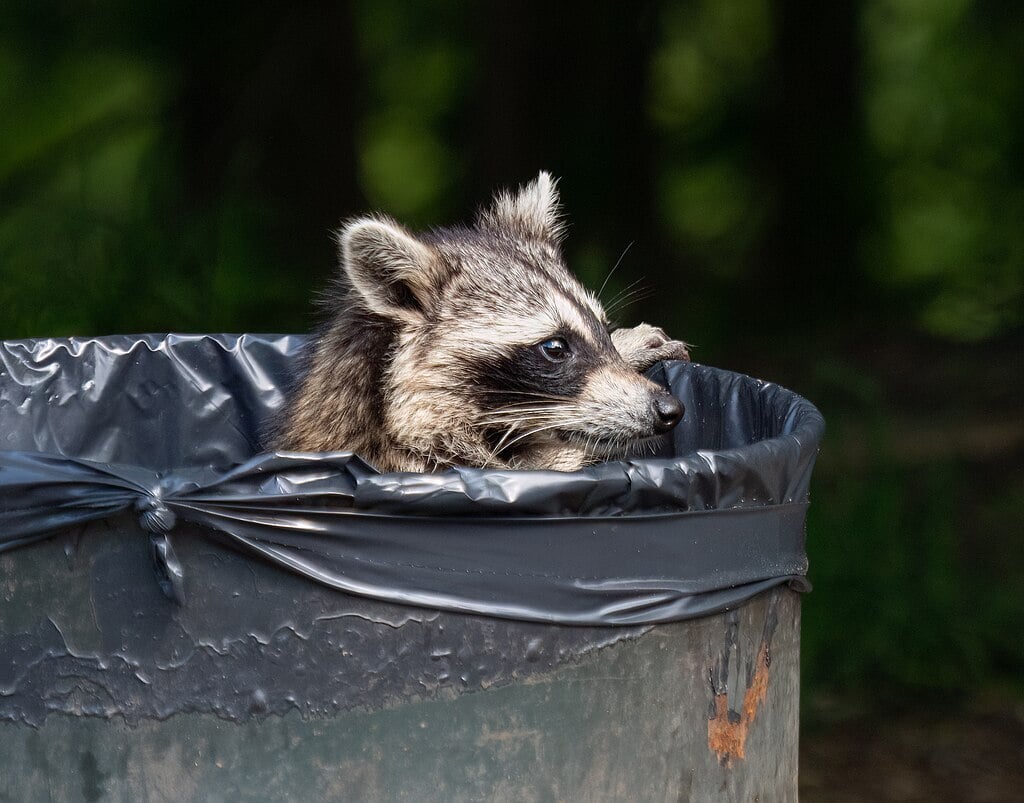
While they are looking for an easy meal, their digging and foraging can cause even more damage than the grubs themselves.
If you suspect something is going on below the surface of your lawn, there is a simple way to check it called ‘the tug test’. The tricky part is that the tug test is also used to identify turf damage for another common pest in Indiana, the billbug.
Here’s how to tell the difference:
If the turf lifts up very easily, like it is a fresh roll of sod or a piece of carpet, it is likely a grub problem. They have eaten through the roots, and the green plant you are seeing above has nothing to hold onto below.
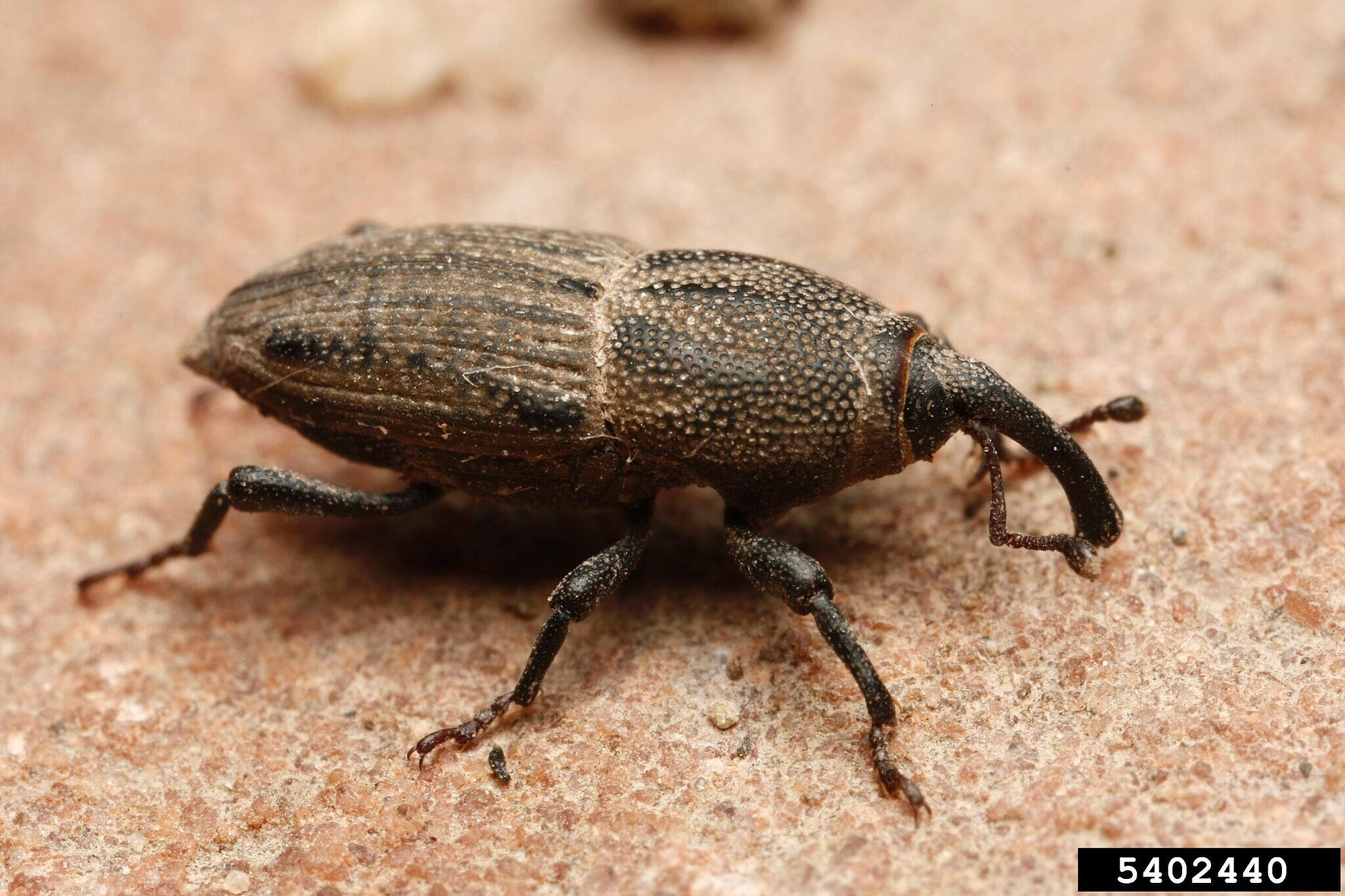
If the tops of the grass break off in your hand, it may be billbugs
Billbug larvae can look very similar to grubs, especially when they are larger. Billbug larvae don’t have legs and are smaller overall, so knowing this can help with identification.
The best defense for grubs is getting ahead of them before they have a chance to start feeding on your lawn. You may have heard that grub treatment should go down in the summer months, and for some weaker products, that can be true. For lawns here in Indiana, April through May is the most ideal time to treat. With the right products, you get a long-lasting residual that continues working right until it matters most, when eggs are hatching and early feeding starts.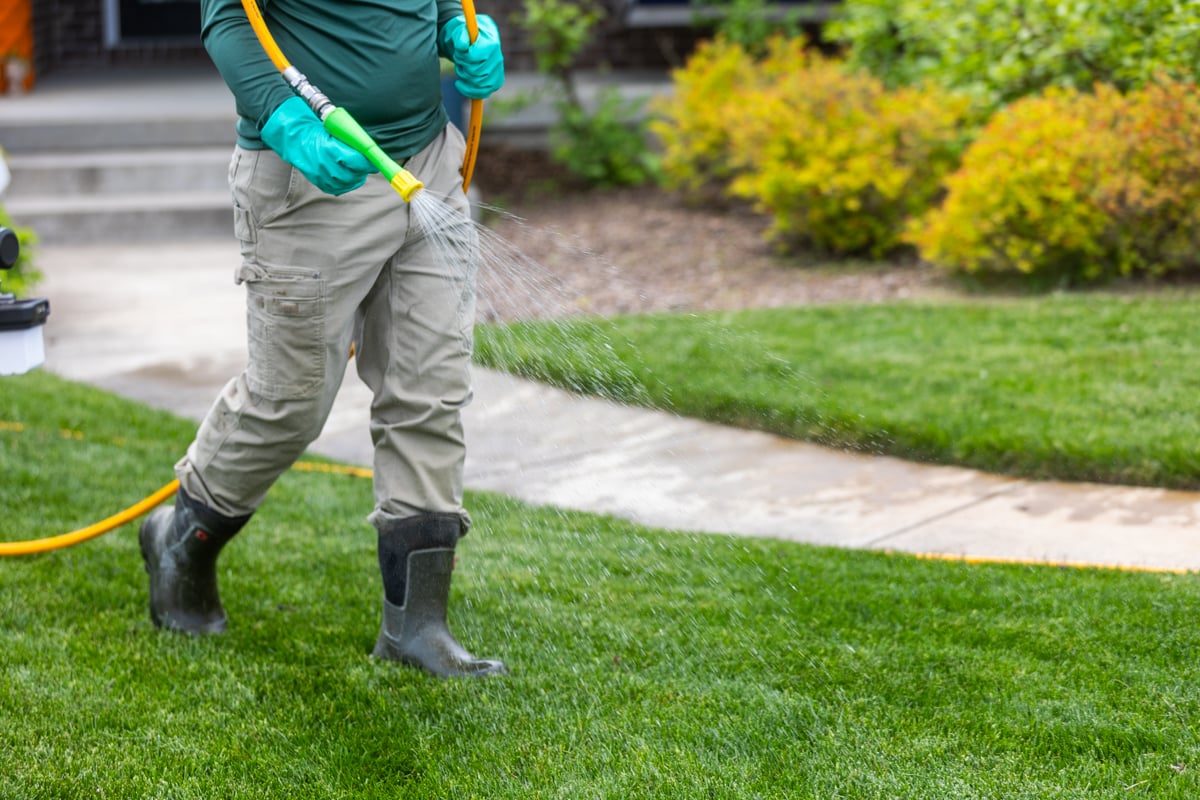
With shorter-lasting, lower-cost grub products, timing becomes much more critical. The type of products you find at a hardware store needs to be applied right before beetles start flying around and laying their eggs. If you miss that window, you may not get the protection you are hoping for.
Another important piece to prevent grub lawn damage is proper watering after application. Treatment needs to be watered deep enough to move the product into the soil where grubs are active.
It is also important to note that while grubs get most of the attention, billbugs can often cause more damage in our area than grubs. They tend to fly under your radar because they are less well-known. This is exactly why a well-rounded preventative approach matters. The right treatment, like what we use in our Grub XL program, doesn’t just target grubs; it also helps protect against billbugs.
Grubs might be working underground, but the damage they cause can show up quickly, front and center on your turf. However, with the right timing and proactive approach, you can stop the problem before it gets started.
At Shades of Green, grub control is built right into our programs, not addressed as an afterthought. Our Grub XL treatment is designed to protect your lawn from both grubs and billbugs, giving you coverage against pests that cause the most damage in our area. And, if you are already seeing signs of trouble, our team can help properly diagnose what’s going on and recommend the right next steps.
Want to beat out grubs this season? Get started today by filling out our contact form.
Image Sources: white grubs, raccoon
Envision a Grub Free Future for Your Lawn
No more stressing about bare spots or an unreliable lawn care service.


Cory is the heart and soul of Shades of Green. His dedication to doing right for our customers has been the driving force behind the company's success. With a degree in Turf Science from Purdue University, Cory continually strives to craft the best treatment plans using the latest technologies and innovative products, ensuring top-notch results for every client.